How Commercial Interior Designers Create Flexible, Future-Ready Workspaces
Workplaces today are no longer static environments, they are living systems that must evolve as quickly as the businesses inside them. Commercial interior designers specialise in shaping these environments, blending creativity, strategy, and functionality to create spaces that support how people actually work. In an era defined by hybrid work models, rapid business growth, and constantly changing team sizes, flexibility and future-readiness are no longer optional, they are essential.
Companies need offices that can shift from collaboration to focus, scale up or down with ease, and adapt to new technologies without costly redesigns. This is where thoughtful commercial interior designers makes a measurable difference. By anticipating change and designing for adaptability, designers help businesses stay agile, efficient, and competitive. This article explores how commercial interior designers create flexible, future-ready workspaces and why these smart design choices deliver long-term value for modern organisations.
What Is a Flexible, Future-Ready Workspace?
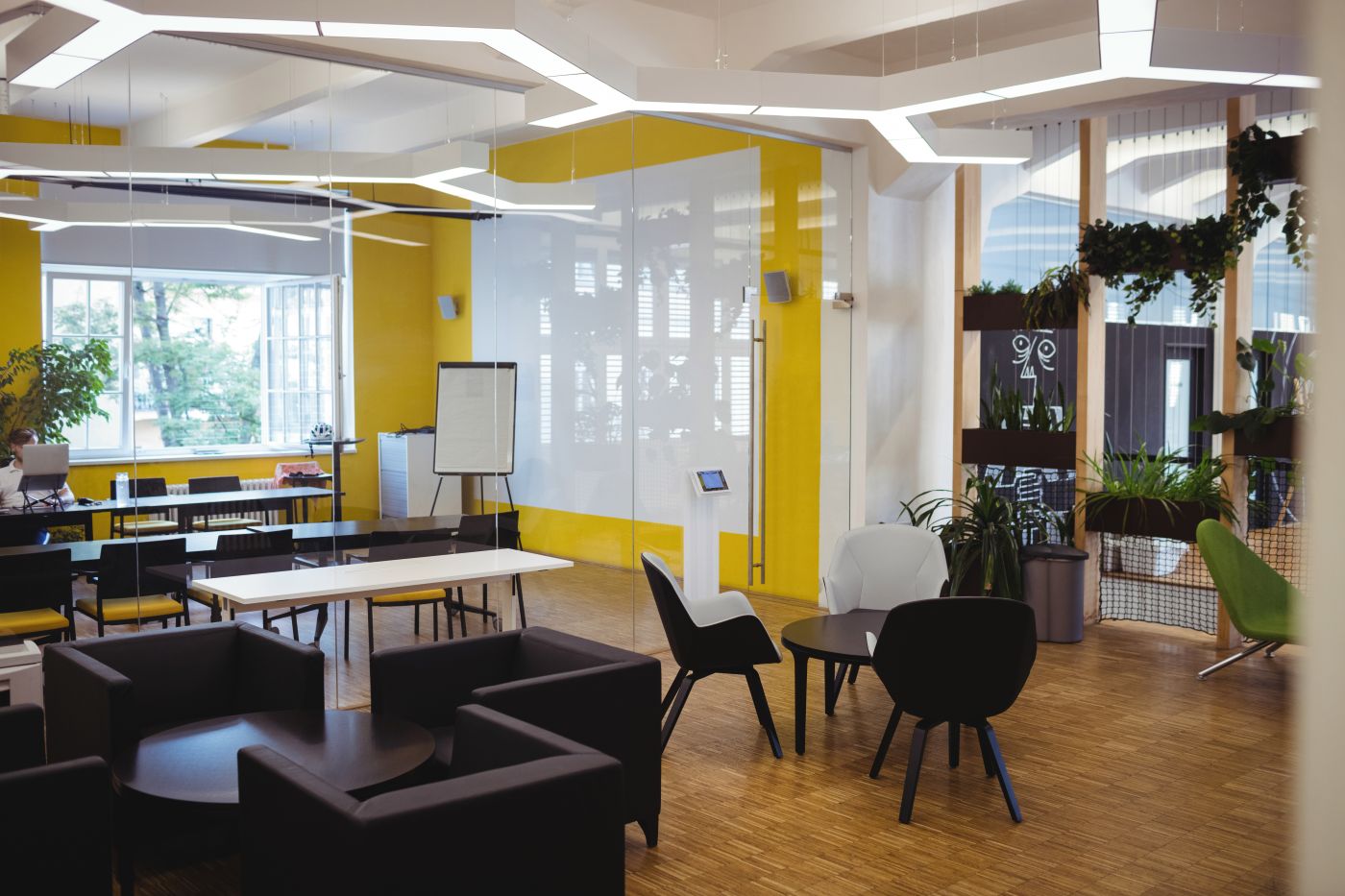
A flexible, future-ready workspace is more than just a trendy office. It is a dynamic environment designed to evolve alongside a business. Through adaptable layouts, teams can reconfigure spaces quickly to support collaboration, focus, or social interaction, making the office as versatile as the people who use it. A technology-ready infrastructure ensures seamless connectivity, smart systems, and easy integration of emerging tools, so the workplace keeps pace with innovation. Equally important is employee-focused design, ergonomic furniture, natural light, and wellness-driven features that create a space where people thrive, boosting productivity and satisfaction.
Finally, long-term usability ensures that the office remains relevant and functional for years to come, reducing costly renovations and downtime. By combining these principles, commercial interior design and thoughtful workplace interior designs deliver offices that are not only efficient but also inspiring, adaptable, and prepared for the future.
The Strategic Role of Commercial Interior Designers
In today’s rapidly evolving work environment, offices must do more than look good, they must adapt, perform, and grow with the business. This is where commercial interior designers play a strategic role. Through thoughtful workplace interior design, designers create flexible, future-ready offices that support productivity, collaboration, and long-term growth. Instead of designing only for today’s needs, they anticipate how businesses, teams, and technology will change over time.
Commercial interior designers go beyond aesthetics. Their approach is deeply rooted in understanding how a business operates and where it is headed. Before any design decisions are made, designers focus on:
- Business goals: understanding company culture, brand identity, and performance objectives
- Workflow analysis: studying how teams interact, move, and collaborate daily
- Growth planning: anticipating expansion, new departments, or evolving work models.
This strategic mindset ensures that workplace interior design supports efficiency and scalability. Rather than designing spaces solely for current headcount or work patterns, designers plan for future needs. Layouts, furniture systems, and technology infrastructure are selected to allow easy changes without major renovations. This forward-thinking approach saves costs and prevents spaces from becoming outdated quickly.
To achieve this adaptability, commercial interior designers rely on specific strategies such as flexible space planning, modular furniture systems, and smart technology integration, all of which work together to create offices that evolve with the organisation.
1. Space Planning Techniques That Support Adaptability: Effective workplace interior design starts with detailed space planning. Designers analyze team structure, daily operations, and collaboration needs to understand how the office should function. Based on this analysis, offices are divided into clear functional zones, such as:
- Collaboration zones for teamwork and brainstorming
- Quiet work areas for focused tasks
- Meeting spaces for formal discussions
- Breakout and informal areas for relaxation and casual interaction
Multi-use spaces are especially important, as they allow a single area to serve multiple purposes throughout the day. Designers also carefully plan circulation and movement, ensuring smooth transitions between zones and reducing congestion. Layouts are designed to allow easy reconfiguration later, making it simpler to adjust walls, furniture, or room functions as business needs evolve.
2. Using Modular Furniture to Enable Flexible Office Layouts: Another key strategy is the use of modular office furniture, which is designed to adapt easily to change. Modular furniture includes elements such as movable partitions, adjustable desks, and mobile storage units. These pieces can be rearranged or expanded without disrupting daily operations.
Modular office furniture supports growing teams and changing work styles, such as shifting from individual workstations to collaborative setups. The benefits are significant: cost savings over time, minimal disruption during changes, and faster layout updates. By choosing modular solutions, designers help businesses stay flexible without constant redesigns or large investments.
3. Integrating Technology Through Smart Office Design: Smart office interiors refer to workspaces that integrate technology to improve comfort, efficiency, and connectivity. In simple terms, this means designing offices that are ready to support modern tools and digital systems. Technology plays a crucial role in creating future-ready offices, especially as hybrid and remote work become more common.
Examples include smart lighting systems that adjust based on occupancy, climate control that improves energy efficiency, and advanced video conferencing setups for seamless communication. Designers plan hybrid meeting spaces that work equally well for in-person and remote participants. By incorporating technology from the start, tech-ready design prevents frequent upgrades and reduces the need for costly retrofits later.
4. Strategic Design Approaches Explained: All of these strategies, space planning, modular furniture, and smart technology, work together as part of a broader strategic approach. Commercial interior designers think long-term, balancing immediate functionality with adaptability. They design offices that can respond to organisational growth, evolving workflows, and technological advancements, ensuring that the workplace remains efficient and supportive well into the future.
Therefore, the strategic role of commercial interior designers is essential in creating offices that are not only visually appealing but also adaptable and future-focused. Through thoughtful workplace interior design, the use of modular office furniture, and the integration of smart office interiors, designers help businesses prepare for change while maintaining productivity and comfort.
Why Future-Focused Office Design Is a Business Advantage
Future-focused office design is a significant business advantage because it directly impacts productivity and employee retention. Outdated layouts can create inefficiencies, reduce collaboration, and frustrate employees, leading to higher turnover and lower performance.
In contrast, a thoughtfully planned workspace that anticipates growth and evolving work styles can reduce renovation costs over time and seamlessly support hybrid work models. Commercial office interior design should be seen not as a one-time expense but as a long-term investment in the company’s efficiency and culture. Commercial interior designers play a critical role in creating spaces that balance functionality, flexibility, and aesthetic appeal, ensuring the office continues to meet business needs well into the future.
Sustainability as a Key Element of Future-Ready Offices
Sustainable commercial interiors focus on designing office spaces that minimise environmental impact while supporting long-term business needs. Sustainability and flexibility go hand in hand, as materials and furniture that can be reused, relocated, or adapted help offices evolve without generating waste. Examples include energy-efficient lighting, movable or modular furniture, and reusable construction materials.
For businesses, these choices offer clear benefits: lower operating costs through reduced energy consumption and maintenance, as well as an enhanced brand image that reflects a commitment to environmental responsibility. By integrating sustainability into commercial interiors, companies create workplaces that are both adaptable and future-ready.
Key Benefits of Working With Professional Commercial Interior Designers
Partnering with professional Commercial Interior Designers transforms offices into efficient, adaptable, and future-ready environments. Through expert workplace interior design, these professionals create spaces that not only look appealing but also enhance productivity, support growth, and deliver long-term value for businesses.
- Better use of available space: Designers analyse workflows and team structures to optimise every square foot.
- Offices that adapt as the business grows: Flexible layouts and modular solutions ensure the office can evolve with changing needs.
- Reduced long-term renovation costs: Strategic planning minimises costly redesigns and supports sustainable growth.
- Improved employee comfort and efficiency: Thoughtful zoning, ergonomics, and collaborative spaces boost satisfaction and productivity.
- Professional planning and execution: Designers manage the project end-to-end, ensuring quality, timelines, and budgets are met.
- Higher return on investment (ROI): Efficient, well-planned offices contribute to lower operational costs and long-term business benefits.
Hence, professional Commercial Interior Designers ensure that workplace interior design is not just about aesthetics, but about creating adaptable, productive, and cost-effective spaces. By investing in expert design, businesses gain offices that grow with them, support their teams, and deliver measurable long-term advantages.